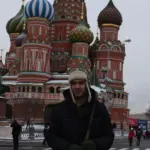
In 2010 my sister and I took a trip to Spain that took us from Madrid to Barcelona to Pamplona and back to Madrid. Other than Baja, Mexico (and perhaps Canada when I was very young), this was my first international trip.
One of the main draws for me to choose Spain was the famous Festival of San Fermin, also known as the Running of the Bulls. This week long festival in Pamplona draws thousands of locals and tourists for several days of drinking and running alongside large and powerful animals with pointy things on their head.
While I enjoyed the architecture of Madrid, and the beaches and old town sections of Barcelona, running alongside bulls as they made their way into the arena remains one of the coolest experiences of my life, and one I think back on often. It was great to share the experience with my sister.

The Essential Guide to Attending the Running of the Bulls in Pamplona, Spain
Understanding the Event
The Running of the Bulls (El Encierro) is part of the San Fermín Festival, held annually from July 6th to 14th in Pamplona. The run itself occurs each morning at 8:00 AM from July 7th to 14th. This is not merely a spectator event—it’s a deeply rooted tradition with real dangers and cultural significance.
Every year, in the Spanish city of Pamplona, hundreds of otherwise sane people wake up at dawn, tie red scarves around their necks, and proceed to sprint down narrow medieval streets while being chased by half a dozen very large, very angry bulls. This, in a nutshell, is the Running of the Bulls, the centerpiece of the San Fermín Festival—a nine-day explosion of chaos, tradition, and questionable decision-making.
If you’ve ever wondered how this all started, what possessed people to keep doing it, and—most importantly—how you might join in (or at least watch without getting gored), then read on.
A Brief and Slightly Bloody History
Like many great traditions, the origins of the Encierro (the official name for the bull run) are murky, vaguely practical, and probably involved alcohol. The festival itself dates back to the Middle Ages, when it began as a religious celebration in honor of San Fermín, the patron saint of Navarre. The running of the bulls? That part was more logistical than ceremonial.
Back in the 14th century, getting bulls from the countryside into the bullring for the evening’s entertainment was a challenge. So, locals did what any sensible person would do: they herded the bulls through the streets at high speed, occasionally jumping out of the way when one took a disliking to them. Over time, this necessity turned into a dare, the dare into a tradition, and the tradition into an international spectacle that now draws thousands of adrenaline junkies and bewildered tourists every July.
By the 20th century, thanks in part to Ernest Hemingway’s The Sun Also Rises, Pamplona’s bull run became legendary. Hemingway’s romanticized account turned the festival into a bucket-list item for thrill-seekers and literary groupies alike. These days, it’s a bizarre mix of solemn religious processions, all-night partying, and the occasional human cannonball impression (courtesy of a displeased bull).
How to Participate (Or at Least Not Die Trying)
So, you’ve decided you want to run with the bulls. Excellent! Or, perhaps, terrible idea—depending on how much you value your limbs. Here’s what you need to know:
- The Basics:
When? July 7th–14th, every year. The run happens daily at 8:00 AM sharp.
Where? The course is 825 meters (about half a mile) long, stretching from the Santo Domingo corral to the bullring.
How long does it last? Approximately two to three minutes of pure, unadulterated terror.
- Before You Run: Do’s and Don’ts
Do:
– Wear the traditional white outfit and red scarf (pañuelo).
– Arrive early (by 6:30 AM at the latest) to secure a good spot.
– Stay sober. (Yes, really. Many injuries happen because people run drunk.)
Don’t:
– Wear sandals. (Sprinting in flip-flops = bad life choice.)
– Touch the bulls. (They will retaliate, and many of the locals and participants frown upon it)
– Stop in the middle of the street (unless you want to be trampled.)
- The Run Itself: What to Expect
At 8:00 AM, a rocket fires, the gates open, and the bulls charge. Your goal is simple: run like hell and don’t fall. The bulls move at about 15 mph, so unless you’re an Olympic sprinter, you’re not outrunning them—you’re just trying to stay ahead long enough to duck into a doorway or slip into the arena.
Most injuries happen when people trip, panic, or (and this is key) turn their backs on the bulls.
- After the Run: Celebrate (Or Seek Medical Attention)
If you make it unscathed, congratulations! The rest of the day is yours to enjoy—parades, sangria, and general revelry await. If not, well, Pamplona’s hospitals are very experienced in treating horn-related injuries.
Should You Actually Do This?
Let’s be honest: running with bulls can be a bad idea. Every year, dozens of people are injured, and every so often, someone is killed. The bulls weigh over 1,000 pounds, have pointy horns, and are not in a good mood.
But if you’re determined to try it, at least do it right: Respect the tradition, know the risks, and don’t wear flip-flops.
And if you’d rather enjoy the spectacle without the near-death experience? Grab a balcony seat, order a coffee, and watch the madness unfold from a safe distance. Hemingway would approve—he mostly just wrote about it, after all.

Key Preparations Before You Go
1. Plan Well in Advance
- Accommodation: Book at least 6 months ahead. Options disappear quickly. Consider staying outside Pamplona and commuting by train/bus if needed.
- Travel: Fly into Pamplona, San Sebastián, Bilbao, or Madrid (with train connection).
- Dates: The most famous runs are July 7th (opening day) and July 14th (closing). Mid-week runs are slightly less crowded.
2. What to Pack
- White clothing (pants and shirt) – traditional for the festival
- Red scarf (pañuelo) and red sash (faja) – don’t wear these until the opening ceremony
- Good running shoes with grip (no sandals or flip-flops)
- Small waist pack instead of a backpack
- Earplugs – the city is loud 24/7 during the festival
- Comfortable clothes for all weather (hot days, potentially cool nights)

Critical Safety Information
For Runners:
- Do NOT run if: you’re intoxicated, inexperienced, or have health issues.
- Minimum requirements: You must be 18+ and in good physical condition.
- The route: 825 meters (0.5 miles) from Santo Domingo to the bullring. Know it cold.
- Dangers: Bulls weigh 1,300+ lbs and move at 15 mph. Crowd crush is also a serious risk.
- Medical stations: Located along the route. Know where they are.
For Spectators:
- Viewing areas: Balconies (booked months ahead) or behind the double fence barriers. Arrive by 6:30 AM for a good spot.
- Never reach through barriers or interfere with the run.
- Keep children secure – the crowds are intense and unpredictable.

How to Participate as a Runner
1. The Night Before
- Get adequate sleep (difficult with festivities).
- No alcohol or drugs. Police remove intoxicated runners.
- Eat a light breakfast 2+ hours before the run.
2. Morning of the Run
- Arrive at the route by 7:00-7:15 AM.
- Wear your running shoes and light clothing.
- Listen to official instructions (given in Spanish and English).
- Sing the traditional prayer to San Fermín at 7:55 AM.
3. During the Run
- Start slowly and assess your position.
- If you fall, stay down and protect your head. The bulls will jump over you.
- Never touch the bulls.
- Once in the bullring, move to the sides immediately.
- Exit promptly after the run concludes.

Beyond the Run: Experiencing San Fermín
Essential Traditions:
- Opening Ceremony (July 6th, noon): The Chupinazo in Plaza Consistorial. Wear white with red scarf/sash.
- Parades: Giants and Big-Heads parade daily.
- Bullfights: Occur each afternoon. Tickets sell quickly.
- Evening festivities: Music, dancing, and fireworks nightly.
Cultural Etiquette:
- Respect the tradition: This isn’t a party for locals—it’s a religious festival.
- Learn basic Spanish phrases.
- Dispose of trash properly.
- Be mindful of residents’ property.
Practical Tips & Warnings
Health & Safety:
- Hydrate constantly (but limit alcohol if running).
- Use sunscreen.
- Have travel insurance that covers dangerous activities.
- Emergency number: 112 (Europe-wide).
Logistics:
- Cash: ATMs run out. Carry enough for the day.
- Phone: Service can be spotty in crowds.
- Meeting points: Establish clear locations if separated from your group.

Should You Actually Run?
Consider running if: You’re physically fit, sober, have studied the route and safety protocols, and understand the real risks.
Consider watching if: You want the cultural experience without the danger. Many find watching from a balcony equally thrilling.
Final Checklist Before You Go
- Accommodation booked
- Travel insurance verified
- Route memorized
- Appropriate clothing packed
- Physical conditioning adequate
- Spanish phrases learned
- Emergency contacts saved

Remember: The Running of the Bulls is a serious, potentially lethal event. Dozens have died and hundreds have been injured over its history. Respect the tradition, the animals, and your own limits. Whether you run or watch, participate with awareness and reverence for this centuries-old cultural event.
¡Viva San Fermín! ¡Gora San Fermín!

Check out the album for more photos